
A 17-Year-Old Was Bitten by a Rat, Then Swam in Navotas Floodwater—What Happened Next Is a Warning for Every Parent

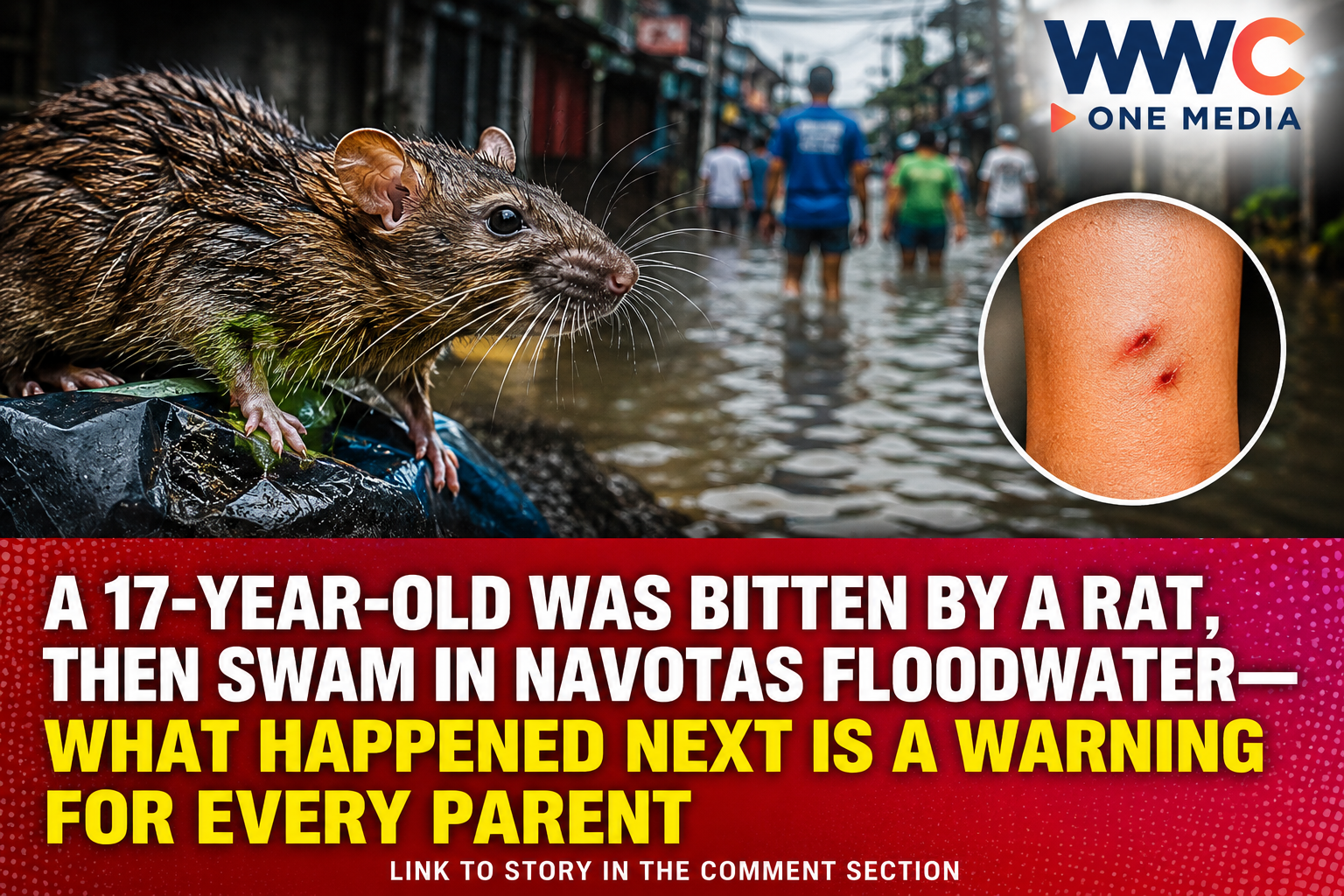
NAVOTAS CITY, Philippines — What began with a rat bite and was followed weeks later by a swim in floodwater ended in tragedy for a 17-year-old student in Navotas, underscoring the potentially deadly threat of leptospirosis during the rainy season.
Justin Espinosa died just four days before his 18th birthday after developing symptoms associated with leptospirosis, according to a GMA News report published on August 20.
His parents, Leilani and Allan Espinosa, said their son had earlier been bitten by a rat on the foot. About two weeks later, Justin went swimming with friends in floodwater in Navotas.
He subsequently developed a high fever, weakness and rashes.
His mother said the family brought him to Navotas Hospital when his condition worsened. According to her account, doctors immediately suspected leptospirosis.
Justin's father said the family never expected his illness to become so serious, describing how rapidly his condition deteriorated.
The GMA report did not specify whether laboratory confirmation of leptospirosis was performed.
Rat Bite or Floodwater? Why the Difference Matters
Justin had two potential risk exposures, but medical guidance shows they should not automatically be treated as equally likely sources of infection.
Leptospirosis is caused by Leptospira bacteria and is most commonly transmitted when urine from an infected animal—particularly rodents—contaminates water or soil.
The bacteria may enter through cuts or abrasions in the skin or through the eyes, nose and mouth.
The U.S. Centers for Disease Control and Prevention says transmission through animal bites can occur but is rare. Contact with contaminated water, especially following heavy rain or flooding, is one of the better-established routes of infection.
That means Justin's previous wound and his subsequent exposure to floodwater could have created a particularly concerning combination, although the publicly available information does not establish exactly where or when he acquired the infection.
Swimming or playing in floodwater can increase the risk because animal urine from streets, drainage systems, soil and other contaminated surfaces can be washed into the water.
Symptoms May Not Appear Immediately
One reason leptospirosis can be dangerous is that symptoms do not always appear immediately after exposure.
Health authorities say the incubation period can range from about two to 30 days, with many patients developing symptoms within roughly five to 14 days.
Early symptoms can resemble other common illnesses and may include:
- high fever
- severe headache
- muscle or body pain, particularly in the calves
- chills
- red eyes
- nausea or vomiting
- abdominal discomfort
- weakness
- diarrhea
- and, in some cases, skin rashes
Severe leptospirosis can lead to kidney injury or kidney failure, liver complications, meningitis, bleeding, respiratory problems and, in some cases, death.
Because the early signs can resemble flu, dengue and other infections, health authorities repeatedly stress the importance of telling a doctor about any recent exposure to floodwater or potentially contaminated water.
Philippines Has Recorded Thousands of Cases in 2026
Justin's death comes as health authorities remain on alert following repeated heavy rains and flooding across the Philippines.
According to figures cited by GMA from the Department of Health, 3,440 leptospirosis cases had been recorded nationwide as of August 8, 2026.
That figure was reportedly 35% lower than the number recorded during the comparable period in 2025, but health officials cautioned that the tally could still climb as infections emerge following recent flooding.
Earlier DOH figures reported by the Philippine News Agency showed 2,177 cases between January 4 and June 6, a 6% increase from the comparable period a year earlier.
The disease has also been affecting communities outside Metro Manila.
In Iloilo province, for example, health authorities reported 84 cases and 10 deaths from January through August 8. The number of infections was lower than during the same period in 2025, but reported deaths had doubled from five to 10.
In Manila, city health authorities had recorded 111 leptospirosis cases from January 1 through August 3.
The figures show why health officials are warning that even when national case counts appear lower year-on-year, individual communities can still experience serious illness and deaths.
Government Activates Leptospirosis Fast Lanes
Following recent flooding caused by tropical cyclones and the southwest monsoon, the national government ordered health authorities to intensify monitoring.
On August 10, President Ferdinand Marcos Jr. directed the Department of Health to activate fast lanes for suspected leptospirosis and dengue cases in DOH hospitals and Bagong Urgent Care and Ambulatory Service, or BUCAS, centers.
The government has also prepositioned health supplies in flood-affected areas.
GMA reported that the DOH has around 3.1 million doxycycline capsules available through its Central Office and 17 Centers for Health Development to support hospitals and local governments.
But health authorities have a crucial warning: do not simply take doxycycline on your own after exposure to floodwater.
The appropriate preventive treatment depends on a person's exposure, age, medical condition and other factors. The DOH has repeatedly urged exposed individuals to consult a doctor or local health center rather than self-medicate with antibiotics.
What to Do After Contact With Floodwater
Health authorities recommend avoiding unnecessary swimming, playing or wading in floodwater whenever possible.
Anyone who must enter potentially contaminated water should wear waterproof boots or other protective equipment and cover existing cuts or wounds with waterproof dressings.
After exposure, wash thoroughly with clean water and soap and seek advice from a healthcare professional, particularly when there are cuts or wounds or prolonged exposure.
Most importantly, anyone who develops fever, muscle pain, severe weakness, headache, red eyes, jaundice, reduced urination or other concerning symptoms after floodwater exposure should seek medical attention promptly and tell healthcare workers about the exposure.
Leptospirosis is treatable with antibiotics, and early treatment can reduce the risk of serious complications.
Justin Espinosa's death is therefore more than another rainy-season statistic.
For families living in flood-prone communities, it is a reminder that floodwater is not simply dirty water—and symptoms that initially look like an ordinary fever can sometimes signal something far more dangerous.