
DPP Accuses KMT of Dropping Sheltered Workshop Mooncake Orders as Taiwan Election Fight Intensifies

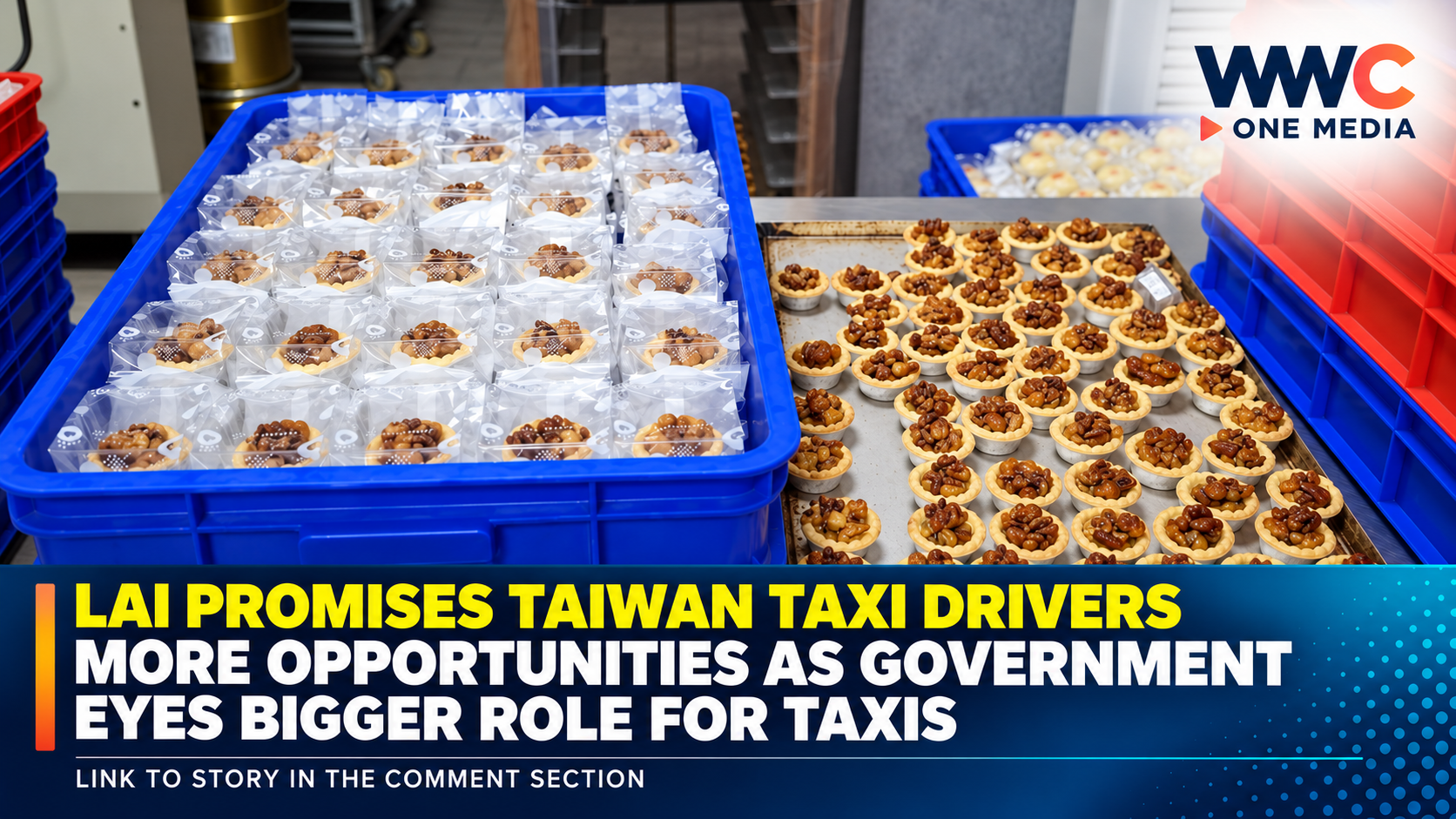
TAIPEI, Taiwan — A political fight over Taiwan's Mid-Autumn Festival mooncakes has taken a new turn, with the ruling Democratic Progressive Party (DPP) accusing the opposition Kuomintang (KMT) of failing to follow through on promised purchases from sheltered workshops serving people with disabilities.
The controversy erupted after two sheltered workshops in southern Taiwan said they had been contacted by the KMT about bulk purchases but later received no confirmed orders.
The allegations have now pulled two KMT candidates for the November local elections—Kaohsiung mayoral candidate Ko Chih-en and Pingtung County magistrate candidate Su Ching-chuan—into the dispute.
But the KMT disputes the characterization that it abandoned the workshops, saying at least part of the dispute resulted from a communication misunderstanding and that it is willing to place additional orders.
The result is a politically charged dispute in which moon-cake boxes have become a proxy for a much larger battle over Taiwan's budget, disability employment and the approaching local elections.
How the mooncake dispute began
The controversy traces back to cuts and freezes involving the Presidential Office's discretionary funds.
The Presidential Office had planned to purchase around 15,000 Mid-Autumn gift boxes from sheltered workshops and related organizations. The KMT said on Sept. 1 that the budget changes had caused the original orders to be canceled or reduced and announced that party chair Cheng Li-wun would take over the purchases.
The KMT initially said it would purchase the affected products rather than allow the workshops to lose an important seasonal source of revenue.
According to the party's Sept. 1 statement, it contacted the workshops reported to have been affected, found that 26 had experienced order impacts, and said about 10,000 boxes could still be supplied by those workshops. It also said it would seek another roughly 5,000 boxes from other eligible sheltered workshops.
That pledge was supposed to put the controversy to rest.
Instead, a second dispute has emerged.
Two workshops say promised orders never arrived
The latest allegations involve Slowly Angel, a sheltered workshop in Hengchun, Pingtung County, and the Xiaocao Care Association in Kaohsiung.
Slowly Angel said the KMT had contacted the workshop about purchasing 300 mooncake gift boxes.
The workshop reportedly said it could fulfill the request, but several days passed without a formal order or confirmation of the quantity.
A Kaohsiung organization made a similar allegation, saying it too had received an inquiry about 300 boxes but did not receive a finalized order.
The allegations quickly became political ammunition.
DPP spokesperson Wu Cheng accused the KMT of first contributing to the budget problem and then failing to fulfill its promise to support affected workshops.
The DPP has particularly targeted Ko Chih-en and Su Ching-chuan, both of whom are seeking local executive posts in November.
KMT says there was a misunderstanding
The KMT has rejected the suggestion that it intentionally abandoned the workshops.
Party insiders told NOWnews that there had been a misunderstanding during communications involving Slowly Angel.
They also pointed out an important distinction: Slowly Angel was not among the 37 sheltered workshops identified by the Presidential Office as having been affected by the original order cuts.
Nevertheless, the KMT said it was willing to purchase from the workshop and expand its support for sheltered-workshop products.
KMT Chair Cheng Li-wun has also said the party had already placed its orders.
That means the central dispute is not simply whether the KMT supports sheltered workshops.
It is now about which workshops were promised orders, which orders were actually finalized, and whether the political parties accurately described what happened.
KMT previously promised to take over 15,000 boxes
The KMT's original response was unusually large.
On Sept. 1, the party announced that Cheng would take over the roughly 15,000 gift boxes that the Presidential Office had originally planned to purchase.
The party said about 20 workshops were ultimately able to supply approximately 9,780 boxes, with a reported value of around NT$4.02 million.
The gift boxes were then intended to be distributed through local party organizations to disadvantaged families during the Mid-Autumn Festival.
The KMT had framed the move as a way to prevent political disputes from hurting disabled workers and sheltered workshops.
But the new allegations have reopened the controversy.
DPP politicians move in to fill the disputed orders
The political response has also produced competing acts of support.
DPP Kaohsiung mayoral candidate Lai Jui-lung said he would purchase another 300 boxes, on top of previous orders, according to Taiwan News.
In Pingtung, KMT candidate Su Ching-chuan said the county KMT branch would order 300 boxes from Slowly Angel.
Ko Chih-en, meanwhile, said she needed to clarify the situation with her party but was willing to purchase 600 boxes if the workshops had indeed been affected.
The DPP has therefore portrayed the episode as evidence that its candidates—not the KMT—were stepping in to protect the affected workshops.
But that political framing should be separated from the underlying facts.
The numbers don't tell the whole story
One reason the controversy has become complicated is that there are several different numbers circulating.
The Presidential Office's original affected group was reported as 37 sheltered workshops, while the KMT later said it had confirmed order impacts involving 26 of them and ultimately purchased from 20 that could still supply products.
The KMT also said it expanded its search to other sheltered workshops in order to reach its 15,000-box target.
That is why the claim that the KMT “dropped” all affected orders would be too broad.
What can be established from the available reporting is narrower: at least two southern Taiwan organizations say inquiries about purchases did not initially turn into confirmed orders, while the KMT says there were communication misunderstandings and has indicated it is willing to make additional purchases.
Why sheltered-workshop orders matter
For sheltered workshops, Mid-Autumn Festival sales are more than ordinary commercial transactions.
These facilities provide employment opportunities and work environments for people with disabilities, making seasonal corporate and government purchases an important source of revenue.
That is why the original dispute over the Presidential Office's canceled or reduced orders generated significant public attention.
The issue also illustrates how quickly a government procurement decision can affect organizations whose production schedules and staffing arrangements are built around expected seasonal demand.
The controversy is now entering election territory
Taiwan's local elections are scheduled for November, giving both major political camps a reason to emphasize the dispute.
The DPP is using the allegations to attack KMT candidates in Kaohsiung and Pingtung, while the KMT is emphasizing its decision to purchase thousands of mooncake gift boxes and its willingness to expand orders.
The issue could therefore become less about mooncakes themselves and more about which political camp voters believe actually protected vulnerable workers.
That makes every additional claim—and every additional purchase—politically significant.
The bigger question: who is really helping?
The KMT's position is that it stepped in after the Presidential Office's original procurement was disrupted.
The DPP's position is that the KMT bears responsibility for the budget cuts and is now failing to deliver on its promised replacement orders.
The two sides are therefore telling fundamentally different stories about the same boxes of mooncakes.
What is not in dispute is that sheltered workshops have become caught in the middle of a political confrontation.
And with local elections approaching, the fight is unlikely to disappear with the last mooncake order.
The real test now is whether the disputed orders are ultimately completed—and whether voters decide that this was a genuine effort to support disabled workers or simply another chapter in Taiwan's increasingly bitter election battle.