
PNP Seeks Tougher SIM Registration Law as Cybercrimes Continue to Rise

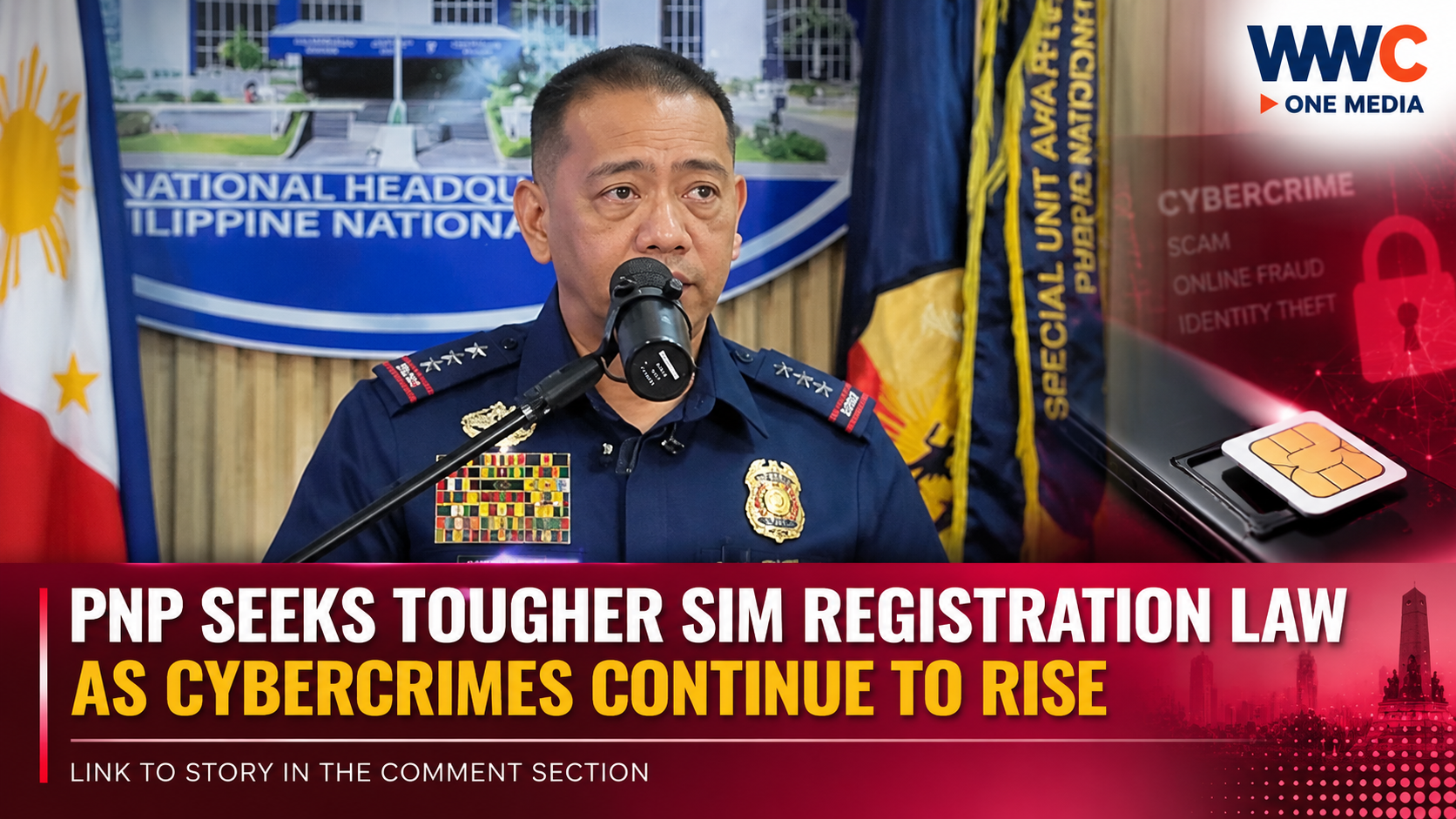
Proposed changes could tighten identity verification, SIM ownership and transfers as police warn criminals are still exploiting registered numbers
MANILA, Philippines — The Philippine National Police (PNP) is pushing for amendments to the country’s SIM Card Registration Act, saying stronger safeguards are needed as criminals continue to use mobile numbers in scams, identity exploitation and other cybercrimes.
PNP chief Gen. Jose Melencio Nartatez Jr. said the police force is prepared to provide data and recommendations to lawmakers to make Republic Act No. 11934 more effective as digital technology and online criminal activity continue to evolve.
“Innovations in digital technology are fast evolving,” Nartatez said, emphasizing the need for authorities to keep pace with new methods used in illegal online activities.
The push comes after the PNP Anti-Cybercrime Group (PNP-ACG) raised concerns that the existing system still has vulnerabilities that criminals can exploit.
Why the PNP wants the law changed
PNP-ACG director Maj. Gen. Wilson Casil Asueta has argued that simply requiring subscribers to register their SIM cards has not been enough to stop cybercriminals from obtaining and using mobile numbers.
The proposed reforms include stronger identity authentication before a SIM is activated, with the PNP suggesting that the Philippine National ID, including its biometric information, could become the primary identification method for registration.
Police are also proposing that:
- SIM cards be activated only after successful registration and identity authentication;
- registered SIM cards cannot simply be transferred to another person without proper documentation;
- ownership be limited to five SIM cards per person across telecommunications providers; and
- authorities strengthen monitoring of the distribution and redistribution of SIM cards.
These are proposals, not yet new requirements for the public. Any amendment would still have to go through the legislative process.
Arrest over 400 allegedly pre-registered SIM cards
The renewed push for changes follows a PNP-ACG operation in Obando, Bulacan, where authorities arrested a 26-year-old man on Aug. 24 over the alleged online sale of registered SIM cards.
Police said approximately 400 registered SIM cards were confiscated during the operation. The suspect allegedly advertised registered SIM cards online and was accused of being involved in their bulk sale.
According to the PNP-ACG, some of the cards had allegedly been registered using other people's identities. The seized SIM cards are subject to further investigation, including processes to obtain digital data.
The suspect faces charges for alleged violations of the SIM Registration Act in relation to the Cybercrime Prevention Act.
The case illustrates one of the central concerns raised by police: a SIM card can be registered, yet the person actually controlling or using it may not be the legitimate subscriber.
Thousands of cybercrime cases remain a challenge
The PNP's concerns come as its Anti-Cybercrime Group continues to handle a large number of online offenses.
From January through July 2026, the PNP-ACG reported 766 arrests in 818 operations, with online selling scams identified as the most prevalent offense during the period. Police also reported rescuing 149 victims and securing 81 convictions.
The figures have intensified calls within law enforcement for stronger digital identity and SIM-accountability mechanisms.
What the SIM Registration Act already requires
Republic Act No. 11934, or the SIM Registration Act, was approved in October 2022.
The law requires end-users to register their SIM cards with telecommunications providers before activation. SIM cards sold by telecommunications providers, agents and resellers are supposed to remain deactivated until the registration process is completed.
The law was designed to increase accountability in the use of SIM cards and assist law enforcement in tracking perpetrators who use mobile communications to commit crimes.
It also imposes penalties for certain violations, including the use of fictitious identities or fraudulent identification documents in SIM registration. Under the law, such violations can carry at least six years' imprisonment, a fine of up to P200,000, or both, depending on the offense.
The bigger problem: registration versus authentication
The PNP's latest proposal highlights a key distinction.
Registration establishes an identity on paper. Authentication is intended to establish that the person registering the SIM is actually the person identified by the submitted credentials.
Police argue that criminals can exploit weaknesses in the system through fake identities, illegally obtained registered SIMs and unauthorized transfers.
Asueta has therefore called for a system that makes identity verification more robust before a SIM can be activated or transferred.
The proposed five-SIM limit could also make it more difficult for individuals or groups to accumulate large numbers of mobile numbers for fraudulent activities.
However, any changes would need to balance law-enforcement requirements with legitimate consumer needs, including people who maintain multiple numbers for work, business, family or other purposes.
What happens next?
For now, Filipinos do not need to take any new action based solely on these proposals.
The PNP is studying and preparing recommendations, while changes to Republic Act No. 11934 would ultimately require legislative action.
Nartatez has directed the PNP legal team to examine possible amendments, while the PNP-ACG continues working with telecommunications companies and government agencies on SIM-registration and identity-verification measures.
The issue is likely to remain under scrutiny as scammers and other cybercriminals increasingly move their operations across text messaging, social media, e-wallets and other digital platforms.
The bottom line
The PNP's message is clear: SIM registration alone may no longer be enough.
Police want a system with stronger identity authentication, tighter controls over SIM ownership and transfers, and better monitoring of how registered numbers enter and circulate in the market.
Whether those proposals become amendments to the existing law, however, will depend on Congress.
WWC ONE MEDIA J.M.D