
84 Years After 183 Workers Died, What Is Still Hidden Beneath This Japanese Mine?

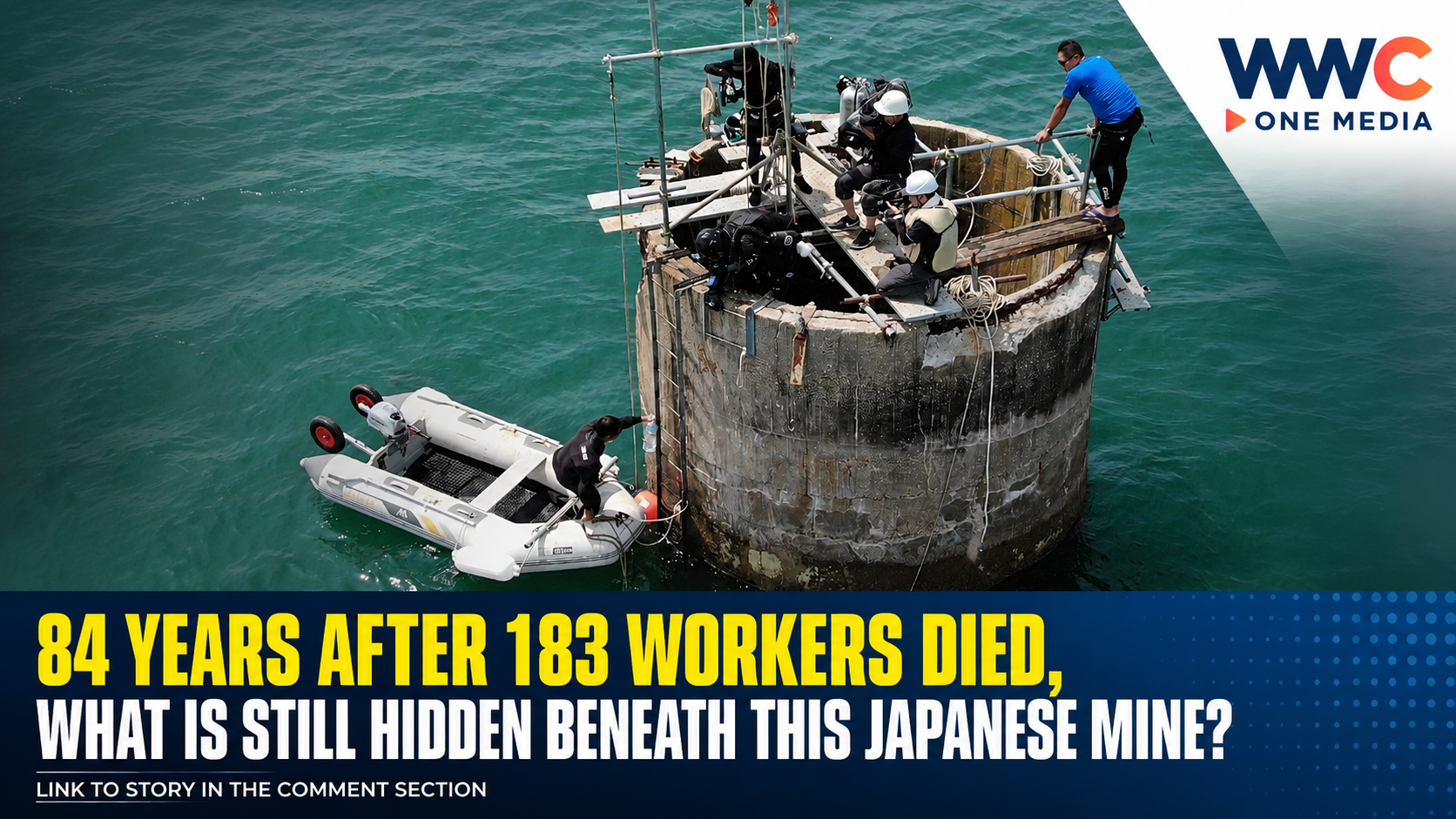
A citizen-led search is bringing renewed attention to one of World War II-era Japan’s most devastating industrial disasters — and to the remains that may still lie beneath the sea.
More than eight decades after 183 workers were killed in a catastrophic flooding accident at Japan’s Chosei undersea coal mine, a small civic group is continuing the difficult mission of recovering and identifying those left behind.
The disaster occurred on February 3, 1942, when an abnormal inflow of seawater flooded the Chosei coal mine in Ube, Yamaguchi Prefecture, about one kilometer from its entrance. Historical accounts cited by Jiji Press say 136 victims were from the Korean Peninsula, while the remaining victims were Japanese workers.
Today, the tragedy is gaining new urgency as Japan and South Korea have begun DNA analysis on human remains recovered from the submerged mine, offering families a possibility that was unimaginable for decades: finally learning who some of the victims were.
A Search That Citizens Refused to Abandon
The latest push is being led by a Japanese civic organization dedicated to documenting the Chosei mine disaster and recovering the victims' remains.
Yoko Inoue, a representative of the group, said the progress toward DNA testing was made possible through years of citizen-led efforts. She is now calling for the Japanese government to take a greater role in future searches and recovery operations.
The call comes after divers made a significant breakthrough in 2025. Authorities confirmed that bones and a skull recovered from the former mine site were human remains, although early examinations could not establish the victims' identities or determine whether all the remains belonged to the same person.
For the families and activists involved, however, the discoveries have strengthened hopes that more victims can still be found beneath the seabed.
The DNA Test Could Finally Give the Dead Their Names
In May 2026, South Korean authorities announced that Japan and South Korea would move forward with forensic DNA testing on remains recovered during searches in August 2025 and February 2026.
The two governments are working to genetically analyze the remains and potentially compare them with surviving relatives, though experts face major challenges because of the condition of the remains and the more than 80 years that have passed since the disaster.
That scientific effort has transformed the search from a mission simply to recover remains into something even more profound: an attempt to restore identities to people whose final resting place had been underwater for generations.
A Disaster Buried Beneath History — and the Sea
The Chosei mine began operations in 1914, but the 1942 flooding disaster effectively turned part of the site into a submerged tomb. For decades, the victims' remains were not recovered.
According to reporting by the Associated Press, citizen researchers began investigating the tragedy in the early 1990s, preserving memories of the disaster and gathering historical records and witness accounts. Underwater searches for remains gained new momentum in recent years.
The story also remains deeply connected to the painful history of Japan's colonial rule of the Korean Peninsula. Historical reporting identifies many of the Korean victims as laborers brought to Japan during the wartime period, a subject that continues to carry significant historical and diplomatic sensitivity.
Why This Search Matters Now
The recovery effort is more than an archaeological mission.
For relatives who have spent generations without answers, identifying even one victim could bring a measure of closure. For Japan and South Korea, the joint DNA initiative represents a rare area of cooperation on a historical issue that has long complicated relations between the two countries.
But the central question remains unresolved: who should take responsibility for searching the underwater mine and bringing the remaining victims home?
The civic group leading the effort believes the Japanese government should now step in and lead future recovery operations. Whether that happens could determine how many more families finally receive answers.
Eighty-four years after the water rushed into the mine, the search is not over. Beneath the sea, Japan's forgotten victims may still be waiting to be found.