
Why Restaurant Design Is About More Than Just Looking Good, According to Polygon

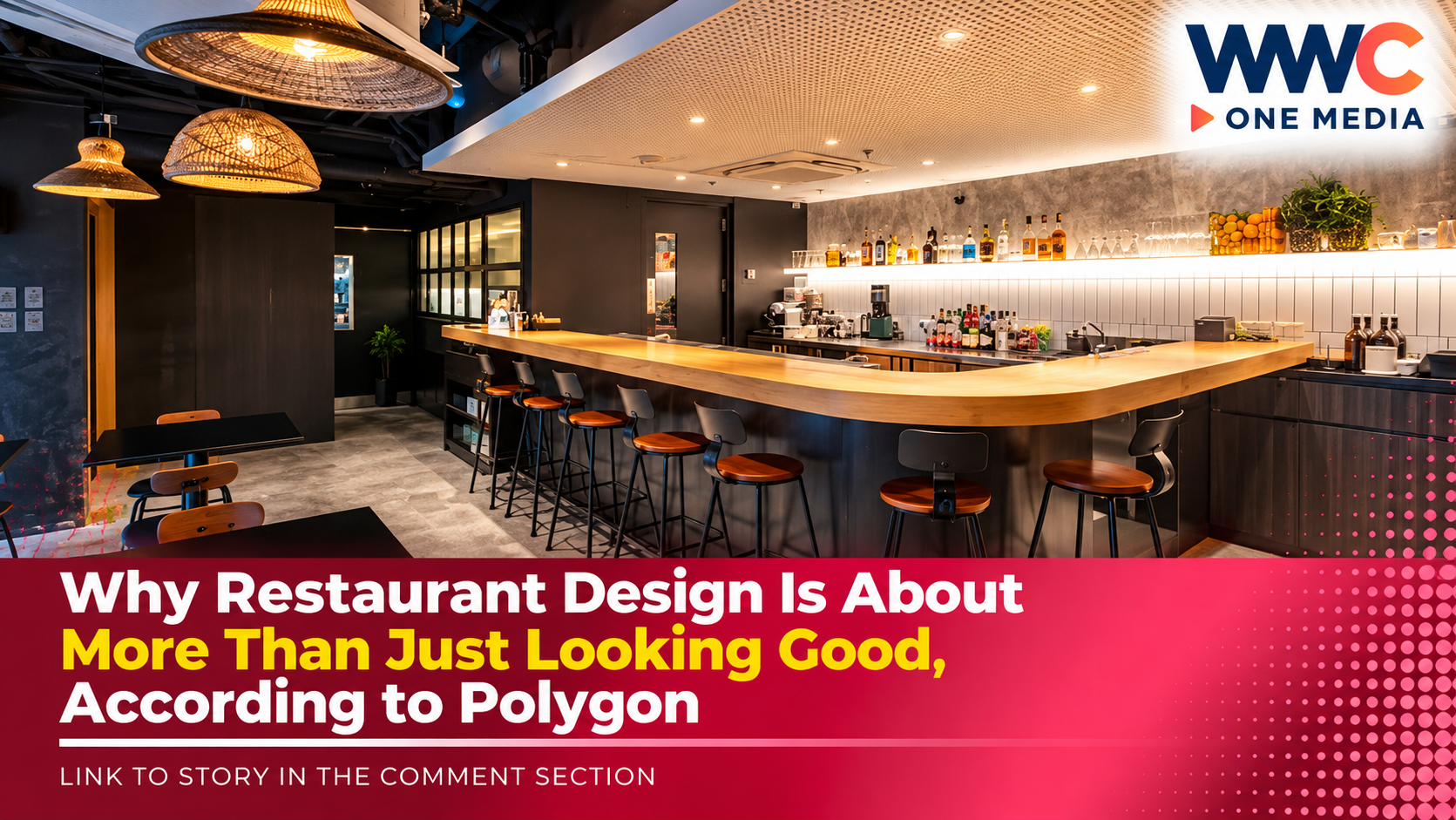
Why Restaurant Design Is About More Than Just Looking Good, According to Polygon
MANILA, Philippines — A beautiful restaurant may attract diners for the first time. But according to architectural design consultancy Polygon, beauty alone is never enough to make people want to return.
For Polygon co-founder Tim Wong, one of the biggest misconceptions about design is that it is primarily about appearance.
“Making the space look nice is the easy part,” Wong says.
The real challenge is creating a restaurant that can handle the demands of a busy commercial operation while making guests feel comfortable, connected and immersed in the experience.
Good Restaurant Design Begins With People
Polygon approaches architecture through what it calls human-centered space design.
Instead of starting with a dramatic visual concept, the team looks at the people who will use the space, the identity of the brand and the purpose the restaurant needs to serve.
The company's philosophy is based on the idea that architecture can help create meaningful connections.
For a restaurant, that means understanding far more than colours, furniture and Instagram-worthy corners.
Designers need to consider the chef.
The restaurant owner.
The service team.
The kitchen.
And, most importantly, the customer.
Polygon's approach brings owners, chefs, operations teams and marketing professionals into the conversation early, helping ensure that the menu, brand and physical space tell the same story.
Wong compares the process to developing a recipe: every ingredient has to be balanced correctly before the final result can work.
A Restaurant Must Work Before It Can Impress
Restaurants are among the most demanding spaces to design.
A home might accommodate a small family.
A restaurant may need to handle dozens or even hundreds of people, staff members, kitchen equipment and constant movement throughout the day.
That creates technical challenges that customers may never notice.
Can the building support the equipment?
Is there enough electrical capacity?
Can the kitchen operate efficiently?
Where do staff move during peak hours?
Can service stations be integrated without disrupting the dining experience?
These questions can become particularly complicated when an old house or conventional retail space is converted into a restaurant.
Wong points out that transforming a property designed for a family into a commercial dining space can dramatically increase the demands placed on the building's infrastructure. Retrofitting may be possible, but it can also become expensive.
That is why Polygon sometimes advises restaurateurs even before they commit to a location.
Choosing the wrong site can create design problems that no amount of beautiful interior decoration can solve.
Function and Beauty Should Work Together
One of the biggest challenges in restaurant design is balancing aesthetics with functionality.
A high-traffic dining space cannot sacrifice performance simply to look impressive.
At the same time, necessary operational features do not have to look unattractive.
Cashier stations.
Wait stations.
Service counters.
Storage areas.
All are essential parts of a functioning restaurant.
Polygon's philosophy is not to pretend these elements do not exist.
Instead, the team designs them intentionally so they become part of the overall experience.
The approach is especially important in smaller restaurants, where there may be little space to hide operational features.
A functional element can still complement the brand.
And a beautiful element can also improve how the space works.
Lighting Can Change the Way Food Feels
Restaurant design can also directly influence the way diners experience a meal.
Lighting, acoustics, layout and materials all help create atmosphere.
Dim lighting may work beautifully in an intimate fine-dining restaurant.
The same lighting could make a lively family restaurant feel flat or uninviting.
Acoustics can be equally important.
A sophisticated restaurant may have beautiful interiors and excellent food, but the experience can quickly be ruined by excessive noise from an open kitchen, clattering equipment or poorly managed music.
Wong compares these details to spices in cooking.
When everything works correctly, diners may not consciously notice them.
But when something is wrong, the entire experience can change.
The Space Should Reflect the Food
Polygon's restaurant portfolio includes projects ranging from organic dining spaces to international food concepts.
Its work on Taqueria Franco in Makati, for example, required the team to create a restaurant around an unusual culinary idea: tacos interpreted through the perspective of a French-trained chef.
Rather than making the interiors heavily Mexican or French, Polygon created an industrial atmosphere intended to give the food room to take centre stage.
Materials including clay and metal were incorporated into the concept, reflecting elements associated with making tacos while helping create a distinctive visual identity.
The project also had to overcome the limitations of an older building, including a low ceiling and the challenge of fitting a modern commercial kitchen into the available infrastructure.
Polygon used different seating configurations and spatial techniques to create a greater sense of depth and openness.
The result demonstrates an important lesson in restaurant design:
The interior should not compete with the food. It should help explain the experience.
Hospitality Design Is Both Personal and Public
For Wong, hospitality spaces are particularly interesting because they sit somewhere between personal expression and public experience.
A restaurant often reflects an owner's personality and vision.
But unlike a private home, it must also work for hundreds or thousands of people with different needs.
Someone might visit alone.
Another diner might arrive on a date.
A group of friends may come for a celebration.
The same space must be flexible enough to support all of those experiences.
That complexity is one reason restaurant design has become increasingly important in a competitive dining industry.
Today's diners are not simply paying for food.
They are paying for the complete experience.
The service.
The music.
The lighting.
The comfort of the chair.
The distance between tables.
The energy of the room.
And the story the restaurant tells from the moment they walk through the door.
Tatler Asia has previously noted that restaurant design is increasingly seen as an extension of a chef's culinary vision and a reflection of the restaurant team's identity and commitment to its craft.
Design Does Not Need to Be Expensive to Be Good
Polygon's philosophy is also rooted in the belief that good design should not belong exclusively to luxury projects.
Wong cites influential designers Charles and Ray Eames and Dieter Rams among the studio's design inspirations.
The idea is simple: a space does not need to be flamboyant to be successful.
It needs to serve the people using it.
Polygon describes its name as a reflection of its process — connecting different points to create something complete.
For each project, those points include people, brand and purpose.
When those elements connect properly, the result may appear effortless.
But that simplicity often hides an enormous amount of planning.
The Best Restaurant Design May Be the One You Barely Notice
The most successful restaurant spaces are not always the ones with the most dramatic chandeliers, expensive furniture or elaborate decorations.
Sometimes the best design is invisible.
The lighting feels right.
The music does not overwhelm conversation.
The chairs are comfortable.
The service team can move efficiently.
The kitchen operates smoothly.
The room feels natural.
And the design supports the food rather than distracting from it.
That is the central idea behind Polygon's work.
A restaurant should look good, but more importantly, it should work beautifully.
Because in the end, diners may remember the stunning interiors that brought them through the door.
But what keeps them coming back is a space where everything — food, service, atmosphere and design — comes together so naturally that the experience simply feels right.
WWC ONE MEDIA J.M.D