
Thailand Braces for Days of Heavy Rain—Authorities Warn Some Areas Could Face Flash Floods

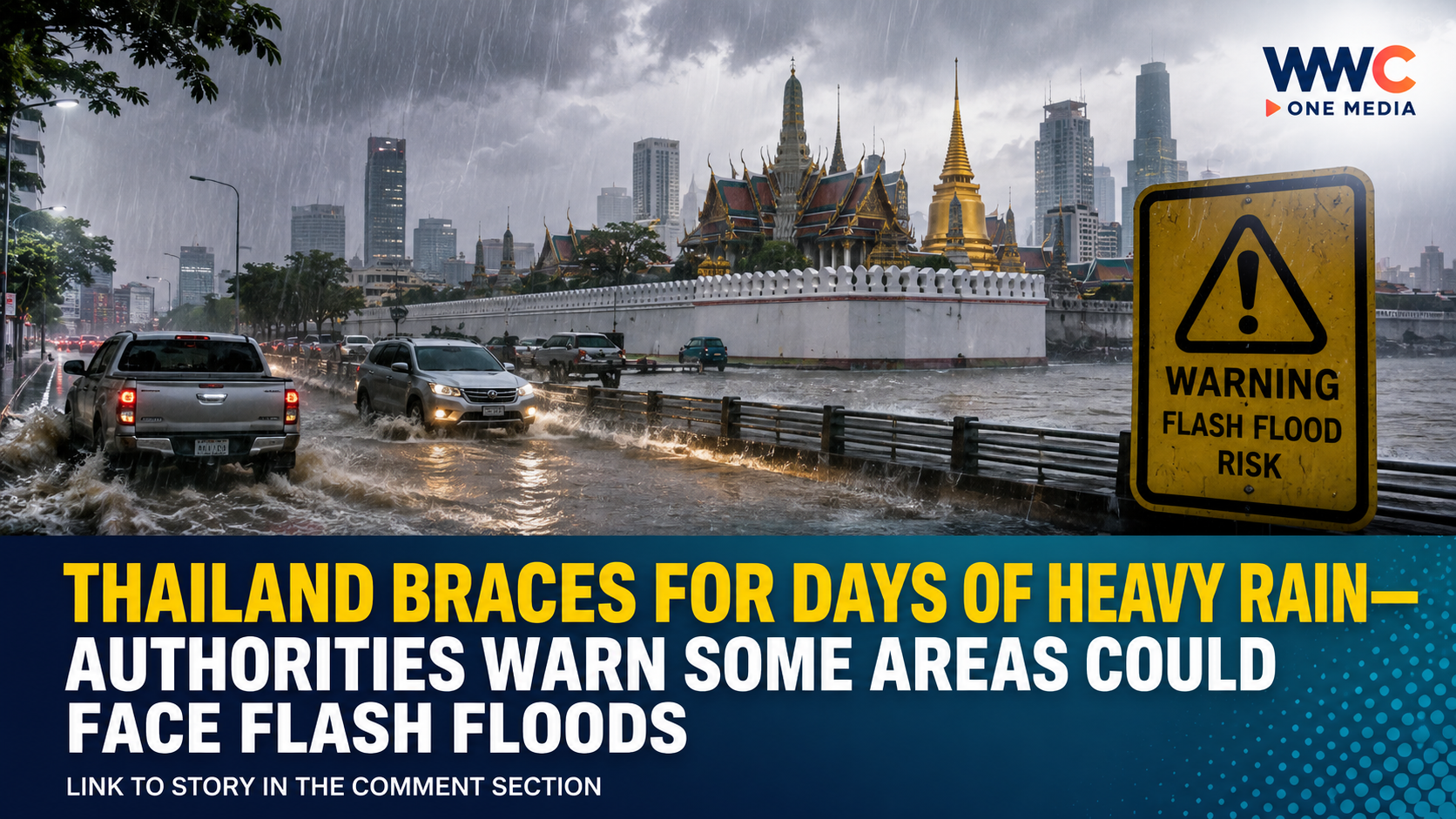
BANGKOK, Thailand — Thailand is facing another spell of widespread heavy rain, with meteorologists warning that some areas could see heavy to very heavy downpours and dangerous accumulations capable of triggering flash floods, overflowing waterways and landslides.
The latest forecast from the Thai Meteorological Department (TMD) warns that unstable weather conditions will affect large parts of the country through September 2, driven by a monsoon trough and a relatively strong southwest monsoon over the Andaman Sea, Thailand and the Gulf of Thailand.
Which Parts of Thailand Face the Greatest Risk?
According to the TMD's latest outlook, particularly heavy rainfall is expected in parts of the North, Northeast, Central and Eastern regions, with authorities urging residents in vulnerable areas to remain alert for rapidly changing conditions.
The department specifically warned that accumulated rainfall could increase the risk of flash floods, runoff and overflowing waterways, particularly in communities near foothills, low-lying areas and waterways.
Recent reporting by The Nation Thailand similarly said the weather system could bring heavy to very heavy rain to parts of upper Thailand from August 29 through September 2, raising concerns about flash flooding and landslides.
Earlier warnings also highlighted the growing weather threat across several provinces, with Khaosod English reporting that the Thai weather bureau had issued heavy-rain alerts affecting multiple parts of the country in the days leading up to the latest forecast.
Rough Seas Add Another Layer of Danger
The threat is not limited to communities on land.
The TMD has warned of strong winds and rough seas, particularly in the upper Andaman Sea, where waves could reach around 2 to 3 metres and exceed 3 metres during thunderstorms during the most severe conditions. Mariners are being urged to proceed with caution, while small boats in affected areas may need to remain ashore.
Conditions are expected to gradually change as the weather system evolves, but isolated heavy rain remains possible in several regions even as the broader pattern weakens.
Why the Forecast Matters
Heavy rain does not automatically mean major flooding will occur everywhere. However, meteorologists are particularly concerned about rainfall accumulation—when repeated downpours fall over already saturated ground or rapidly fill rivers and drainage systems.
That is why residents in flood-prone and mountainous areas are being urged to monitor official warnings closely. Flash floods and landslides can develop quickly, sometimes after intense rain upstream rather than directly over an affected community.
Thailand experiences seasonal monsoon rains every year, but recent weather warnings underscore how quickly localized flooding can disrupt communities, transportation and daily life.
What Residents Should Watch For
People in vulnerable areas should pay close attention to:
- Sudden rises in rivers, canals and streams
- Persistent or intense rainfall over several hours
- Flooding on roads and in low-lying communities
- Signs of unstable slopes or falling debris in mountainous areas
- Official evacuation orders and weather advisories
Travelers and motorists are also advised to check conditions before heading into areas affected by heavy rain, especially routes near mountains or waterways.
The Bottom Line
Thailand's weather authorities are warning that the coming days could bring more than just ordinary monsoon showers. With heavy to very heavy rain possible in several regions and accumulated rainfall increasing the risk of flash floods and landslides, residents are being urged to stay prepared and follow official updates.
The weather situation remains dynamic, and forecasts may change as the monsoon systems develop. For now, the message from authorities is clear: stay alert, especially if you live or travel in flood-prone, low-lying or mountainous areas.