
Thailand’s Senate Collusion Probe Reaches Critical Moment as Pressure Mounts on Election Commission

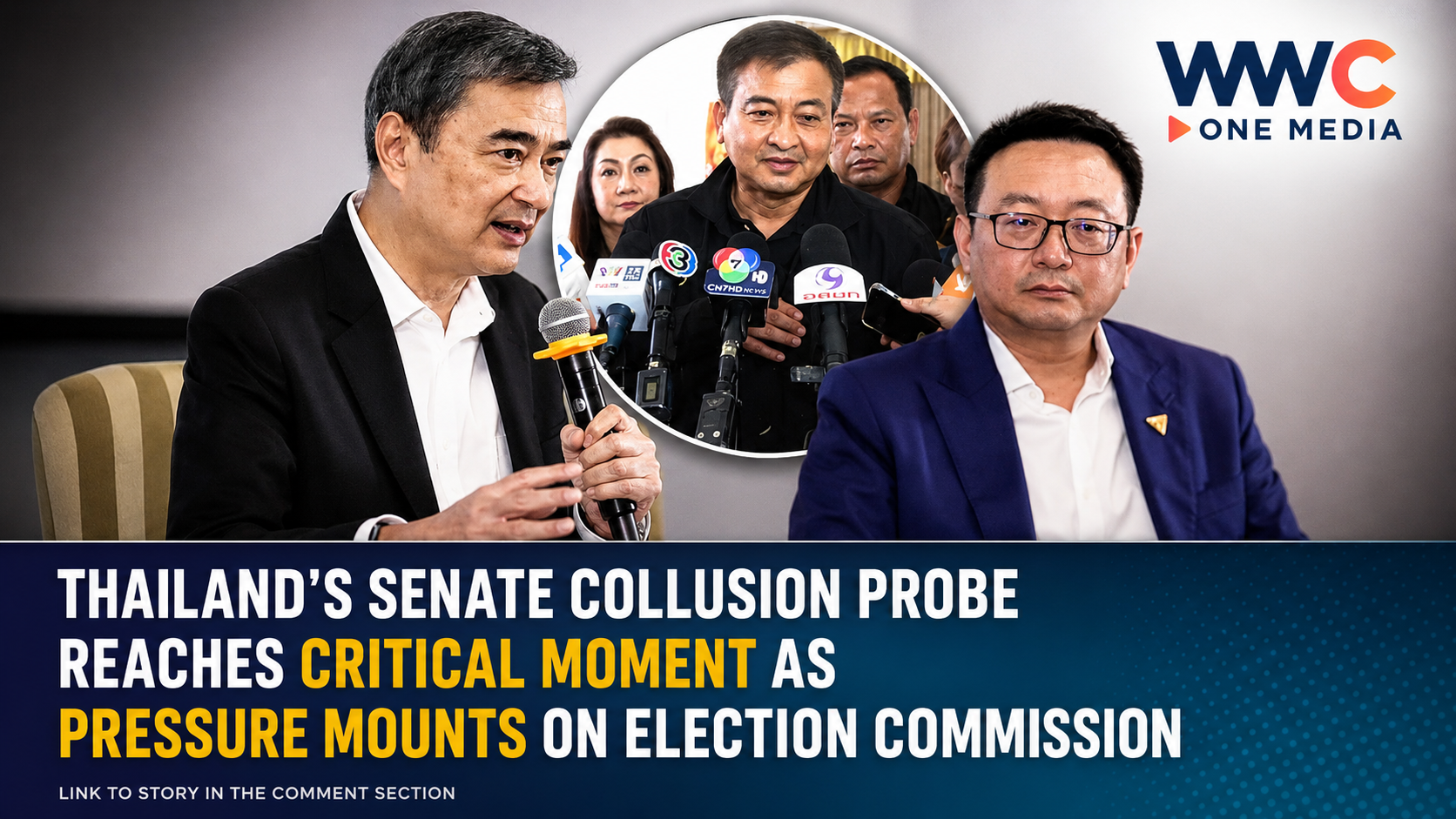
BANGKOK — Thailand’s Election Commission (EC) is facing intensifying political and public pressure as its long-running investigation into alleged collusion during the 2024 Senate election moves toward a potentially decisive stage.
The case has become one of the most closely watched political investigations in Thailand, not only because of the number of people implicated in the inquiry, but because its eventual outcome could have far-reaching consequences for public confidence in the country’s electoral institutions and political system.
According to recent reporting, the investigation involves allegations against 229 people, including 138 serving senators and dozens of political figures and individuals linked to political networks. Those accused have not been found guilty, and the allegations remain subject to the EC's investigative and legal processes.
A Case That Could Reshape Thailand’s Political Landscape
The controversy stems from allegations that the complex, multi-stage 2024 Senate selection process was manipulated through coordinated voting arrangements and organised networks.
Earlier investigations reportedly identified grounds to pursue allegations against hundreds of individuals. However, the case took a dramatic turn when an EC subcommittee reportedly voted 5-2 that the 229 individuals did not have a case to answer, a position that conflicted with conclusions previously reported from a joint investigative process involving the EC and the Department of Special Investigation (DSI). The ultimate decision rests with the full Election Commission.
The conflicting findings have fuelled demands for greater transparency and intensified scrutiny of how the case is being handled.
Recent political reporting has also suggested that the EC's deliberations could involve reviewing evidence and petitions across multiple provinces, potentially complicating efforts to bring the sprawling investigation to a swift conclusion.
Why the Stakes Are So High
The Senate is a powerful institution in Thailand's political system, making allegations of organised interference especially sensitive.
Investigative reporting in 2025 described alleged coordinated networks, financial incentives and pre-arranged voting strategies connected to the Senate selection process. Those claims formed part of the broader allegations investigated by authorities and should not be interpreted as proof that every person named in the case participated in wrongdoing.
What happens next could determine whether the case remains focused on individual violations or develops into a wider political crisis.
Some political commentators and opposition figures have raised the possibility of broader legal consequences if investigators establish evidence connecting unlawful conduct to a political party. However, party dissolution is not an automatic outcome and would depend on specific legal findings and subsequent proceedings under Thai law.
Government Faces Growing Political Fallout
The Senate investigation is also adding pressure to Prime Minister Anutin Charnvirakul's administration at a time when the government is confronting other controversies and increased opposition scrutiny.
A recent NIDA Poll cited by The Nation Thailand found that allegations surrounding the Senate election collusion case were among the issues respondents believed could affect the government's stability. The controversy has therefore evolved beyond a legal investigation into a broader test of political credibility and institutional trust.
Opposition parties are expected to keep the issue in the political spotlight as Parliament resumes its work, alongside other controversies facing the government. Still, political pressure and public criticism do not establish criminal or electoral wrongdoing, and the outcome will ultimately depend on the evidence and decisions of the relevant institutions.
All Eyes on the Election Commission
For the Election Commission, the challenge now goes beyond simply closing a high-profile investigation.
Its handling of the case is becoming a test of public confidence in Thailand's independent institutions.
A decision to proceed against those accused would trigger the next stages of a potentially lengthy legal process. A decision to dismiss allegations, meanwhile, would likely face intense scrutiny from critics who have questioned whether the investigation has gone far enough.
Either way, the EC faces a difficult task: reaching a decision that is legally defensible, transparent and capable of convincing a deeply divided public that the same standards apply to everyone.
As Thailand waits for the next move, one question is becoming impossible to ignore: will the Senate collusion investigation finally deliver clarity — or open an even bigger political battle?